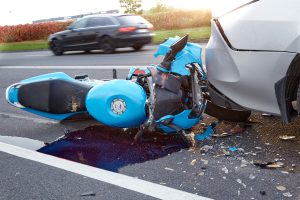
Auto accident attorneys negotiate directly with insurance companies to protect injured victims from unfair settlement offers, gather evidence to prove liability and damages, calculate the full value of losses, and pursue litigation when necessary. Working with a car accident lawyer can improve your chances of recovering fair compensation for medical bills, lost income, property damage, and pain and suffering.
Understanding Car Accident Compensation
Auto accident compensation is intended to restore financial stability after an injury caused by another driver’s negligence. Compensation may cover immediate financial losses, ongoing medical treatment, future expenses, and non-economic damages. Every claim depends on the severity of injuries, available evidence, insurance coverage, and applicable New Jersey laws.
Working with a car accident attorney helps ensure that every potential category of damages is carefully evaluated before settlement negotiations begin.
Types of Compensation Available After an Car Accident
Depending on the circumstances of the collision, injured victims may be eligible to recover compensation for:
- Medical treatment and rehabilitation costs
- Emergency transportation and hospital bills
- Prescription medications
- Lost wages
- Reduced future earning capacity
- Vehicle repair or replacement
- Property damage
- Pain and suffering
- Permanent disability
- Emotional distress
- Long-term medical care
Every case is unique, so the available compensation varies according to documented losses and applicable insurance coverage.
Medical Expenses You May Be Able to Recover
Medical costs frequently represent the largest portion of an accident claim. Recoverable expenses may include emergency room treatment, physician visits, surgery, diagnostic imaging, physical therapy, chiropractic care, prescription medications, assistive devices, and future medical treatment.
The Centers for Disease Control and Prevention (CDC) estimates that motor vehicle crashes result in billions of dollars in medical expenses and productivity losses each year. Proper documentation of every medical visit helps demonstrate the true financial impact of an injury.
A knowledgeable car injury lawyer in Middlesex County, NJ, can work with medical records, physician reports, and treatment plans to present a comprehensive claim.
Can You Recover Lost Wages and Future Earning Capacity?
Serious injuries often prevent individuals from returning to work for days, weeks, or even months. Compensation may include wages already lost because of missed work, along with diminished earning potential if permanent injuries affect future employment opportunities.
Evidence commonly used includes:
- Employer wage verification
- Payroll records
- Tax returns
- Medical work restrictions
- Vocational evaluations
- Economic expert reports
Calculating future income losses requires careful financial analysis, especially when permanent disabilities limit long-term employment.
Can Compensation Cover Property Damage?
Vehicle repairs or replacement costs are an important part of many accident claims. Compensation may also include damaged personal property inside the vehicle, rental car expenses, towing charges, and storage fees.
Insurance adjusters often rely on repair estimates and market valuations. Independent appraisals may become necessary if disputes arise regarding the vehicle’s actual value.
Can You Recover Pain and Suffering Damages?
Pain and suffering refer to non-economic damages that compensate victims for physical pain, emotional distress, loss of enjoyment of life, anxiety, and other intangible effects of serious injuries.
Unlike medical expenses, these damages cannot be measured using receipts alone. Insurance companies often evaluate:
- Severity of injuries
- Length of recovery
- Permanent limitations
- Psychological impact
- Daily lifestyle changes
A skilled car accident lawyercan present evidence showing how injuries have affected every aspect of a victim’s daily life.
Permanent Disability and Long-Term Medical Care
Some auto accidents result in permanent disabilities requiring lifelong treatment. These cases frequently involve significantly higher compensation because future expenses extend for decades.
Long-term damages may include:
- Ongoing rehabilitation
- Home modifications
- Mobility equipment
- In-home nursing care
- Future surgeries
- Lifetime medication costs
- Reduced earning ability
Medical specialists and life-care planners often provide reports that estimate future financial needs.
How Do New Jersey’s No-Fault Insurance Laws Affect Compensation?
New Jersey follows a no-fault insurance system. Personal Injury Protection (PIP) coverage generally pays initial medical expenses regardless of who caused the accident. However, certain serious injuries may allow victims to pursue claims against the at-fault driver for additional damages.
Understanding policy limitations, verbal thresholds, and exceptions requires careful legal analysis. A qualified car accident attorney in Middlesex County, NJ, can determine whether additional compensation may be available beyond PIP benefits.
Factors That Can Impact the Value of Your Claim
Several variables influence settlement value, including:
- Severity of injuries
- Length of medical treatment
- Permanent impairment
- Available insurance coverage
- Liability disputes
- Comparative negligence
- Future medical needs
- Lost earning capacity
- Quality of supporting evidence
Insurance companies review every detail before making settlement offers, making thorough documentation extremely important.
Evidence That Can Strengthen Your Compensation Claim
Strong evidence gives insurance companies fewer opportunities to dispute liability or damages.
Helpful evidence includes:
- Police accident reports
- Medical records
- Accident scene photographs
- Vehicle damage photographs
- Surveillance footage
- Witness statements
- Cell phone records, when applicable
- Expert accident reconstruction reports
- Employment records
- Medical expert opinions
Promptly preserving evidence often improves the overall strength of a claim.
What Common Mistakes Can Reduce Compensation?
Certain actions may unintentionally weaken an insurance claim.
Avoid these common mistakes:
- Delaying medical treatment.
- Giving recorded statements without legal guidance.
- Accepting the first settlement offer.
- Posting accident details on social media.
- Missing medical appointments.
- Failing to document expenses.
- Waiting too long to begin the claims process.
Insurance adjusters frequently use inconsistencies in records to challenge injury claims.
How Can an Auto Accident Lawyer Help Maximize Your Recovery?
An attorney performs far more than settlement negotiations. Legal representation helps organize evidence, calculate damages accurately, communicate with insurance companies, and prepare litigation if negotiations fail.
A car injury lawyer may assist by:
- Investigating the accident thoroughly
- Gathering medical documentation
- Interviewing witnesses
- Working with expert witnesses
- Calculating current and future damages
- Negotiating aggressively with insurers
- Filing lawsuits when necessary
- Protecting clients from unfair settlement tactics
Many insurance companies assign experienced adjusters and defense attorneys to significant injury claims. Having knowledgeable legal representation helps level the playing field.
Recovering compensation after a motor vehicle accident requires more than simply submitting an insurance claim. Strong evidence, accurate damage calculations, knowledge of New Jersey law, and strategic negotiations all play essential roles in obtaining a fair outcome. Whether injuries involve temporary medical treatment or lifelong care, understanding your legal rights can make a meaningful difference in the financial recovery process.
If you need guidance after an accident, The Law Office of Andrew S. Maze can help you understand your legal options and pursue the compensation you deserve. Contact the office today to schedule a consultation and discuss your case with an experienced legal professional.
Frequently Asked Questions
Depending on the circumstances, you may recover medical expenses, lost wages, property damage, rehabilitation costs, pain and suffering, future medical expenses, and compensation for permanent disabilities.
Yes. If your injuries satisfy New Jersey’s legal requirements for pursuing non-economic damages, you may seek compensation for physical pain, emotional distress, and reduced quality of life.
Yes. Personal Injury Protection (PIP) generally pays initial medical expenses regardless of fault, but certain serious injuries may allow claims against the at-fault driver for additional damages.
Yes. Lost income resulting from injury-related absences may be recoverable. Future earning capacity may also be included when permanent injuries affect long-term employment.
You may still have options through uninsured or underinsured motorist coverage included in your own automobile insurance policy, depending on your coverage limits.
Compensation is based on medical expenses, lost income, property damage, future treatment costs, pain and suffering, liability evidence, insurance coverage, and the overall impact of the injuries.
Possibly. New Jersey follows a modified comparative negligence rule, meaning compensation may still be available if your share of fault does not exceed the legal threshold established under state law.
Most personal injury lawsuits arising from motor vehicle accidents must be filed within New Jersey’s applicable statute of limitations, although exceptions may apply depending on the facts of the case.
Medical records, police reports, witness statements, photographs, repair estimates, expert opinions, employment records, and documentation of all accident-related expenses can significantly strengthen a compensation claim.
Many accident victims benefit from legal representation because attorneys understand insurance negotiations, accurately calculate damages, preserve critical evidence, and advocate for fair compensation throughout the claims process.